
Wait for the 2027 CR-V or Get the 2026 Instead? (Answered)
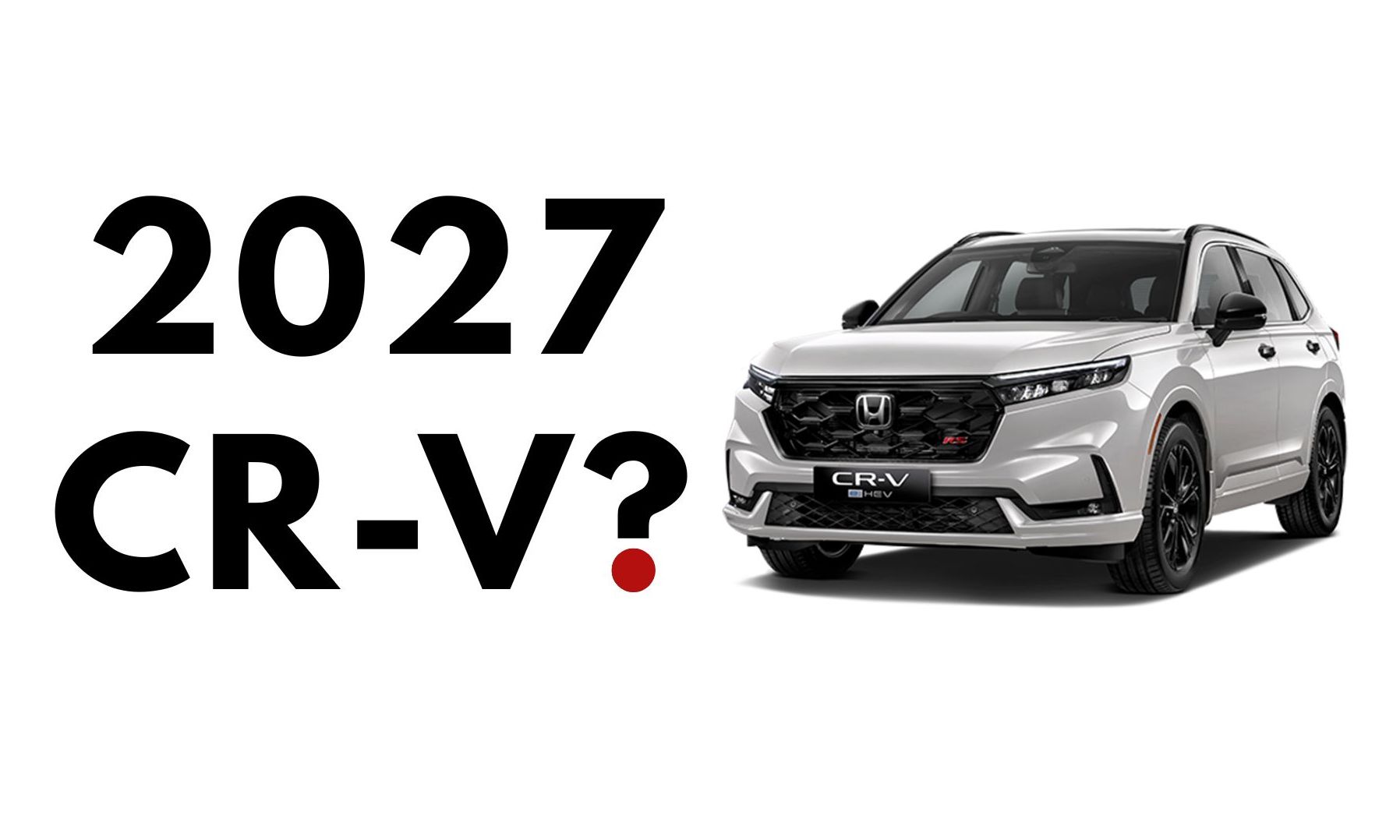
You’re shopping for a new Honda CR-V and realize that we’re already in the second half of 2026—a time when Honda typically begins to unveil or even release its 2027 models, including the CR-V.
So, you’re stuck between a rock and a hard place: Should you buy the CR-V now, or wait for the 2027 model?
Quick answer: hold off for now — wait until Honda actually reveals the 2027 CR-V before you decide. Honda hasn’t confirmed anything major, but you won’t know if 2027 is worth the wait or if you should just grab a 2026 until you see what the reveal actually brings. Once it’s out, the decision gets a lot easier.
BIG UPDATE: Honda has unveiled the 2027 Honda CR-V on its official website. I don’t see any updates to the 2027 CR-V—the only thing that’s changed is the price, which has gone up!
So, my advice is clear: look for the 2026 model. Dealers usually offer great deals to quickly sell off their older models, and if you’re lucky, you’ll get a really great deal!
Here’s my reasoning, broken down.
Honda Hasn’t Said a Word About 2027
I checked every recent report I could find, and there’s no official word from Honda on the 2027 CR-V. No teaser, no spy shots from Honda itself, nothing.
What’s out there is either analyst speculation based on typical model cycles, or fan-made CGI renders — like the ones from the AutoYa Interior YouTube channel, which built a hypothetical 2027 CR-V facelift based on their own imagination rather than anything Honda confirmed. Fun to look at, not something I’d plan a purchase around.
The more grounded reporting agrees on one thing: the current sixth-generation CR-V, which launched in 2023, is expected to carry into 2027 with only minor updates, building on the styling and tech bump the 2026 refresh already got.
Why I Don’t Think 2027 Gets a Real Redesign
CR-V sales for 2026 have been strong. When a model is selling well, automakers rarely mess with the formula — why fix what isn’t broken, especially when a full redesign costs a fortune in engineering and retooling.
I think, Honda saves the real redesign for 2028 or 2029, timed to answer whatever Toyota does with the RAV4 once that model’s sales momentum picks back up.
It’s the same competitive pressure I dug into when I compared the CR-V against the Nissan Rogue — Honda tends to move only when a rival actually forces its hand.
That lines up with what the industry itself is signaling — the CR-V typically follows a five-year redesign pattern, which points to the next major platform shift landing around 2027 or 2028, and some outlets push that even further out to 2028-2029.
Honda’s got no reason to rush. A gas-hybrid lineup that’s already outselling most of the segment doesn’t need a panic redesign.
What Might Actually Show Up in 2027
I wouldn’t rule out small stuff. New paint colors, a trim shuffle, maybe a minor tech tweak on the infotainment side. Nothing that changes the ownership experience in a meaningful way.
If I had to bet on what Honda might finally add, I’d watch for the features CR-V has been missing for years compared to rivals: ventilated seats, heated rear seats, and a proper 360-degree camera. None of these are confirmed. But they’re the kind of low-cost additions Honda could slip into a mid-cycle refresh without touching the platform.
My Actual Recommendation
Don’t buy based on rumors — wait until Honda formally reveals the 2027 CR-V, then decide from there. If you’re weighing this against a used option too, I laid out exactly what to check year by year in my used CR-V buying guide, including which years to avoid entirely.
Once it’s out, check specifically for the features CR-V has been missing: ventilated seats, heated rear seats, and a real 360-degree camera. If any of those show up and the price doesn’t jump significantly, the 2027 model is the smarter buy.
But if 2027 turns out to be a straight carryover with zero real changes — which is what I’m expecting — that’s your signal to go with the 2026 model instead. And timing works in your favor either way: once the 2027 model gets revealed, dealers will be motivated to clear out remaining 2026 inventory, and that’s usually when the real deals show up.
From what I’ve tracked over the years, the strongest CR-V discounts tend to land in late Q3 or early Q4 — roughly September through October — right as the next model year starts rolling in.
What the Current 2026 Deals Look Like, If You Need One Now
If you’re not willing to wait for the reveal, here’s what’s on the table for the 2026 CR-V as of mid-July 2026:
- Gas CR-V: Promos feature 2.99% APR for up to 36 months for well-qualified buyers through Honda Financial Services. Standard lease offers hang around $289/month for 36 months with roughly $4,199 due at signing for the base LX.
- CR-V Hybrid: the same tiered APR structure, with lease offers around $319/month for 36 months and signing costs ranging from about $3,999 to $4,699 depending on region — if you’re on the fence about the hybrid’s long-term costs, I broke down what the hybrid battery actually costs to replace separately
- Both offers are set to expire around early September 2026, which is typical — Honda usually refreshes these every quarter
One thing worth flagging: I didn’t find a big nationwide cash-back rebate specifically for the CR-V. Honda’s average rebate across its entire lineup currently sits around $2,000, and incentives vary a lot by region, so a high-demand model like the CR-V usually gets less cash-back than something slower-moving like the Ridgeline or Passport. What you’re really getting right now is a low financing rate and a decent lease, not a check knocked off the sticker price.d
If you do end up shopping this fall, check with your local dealer directly rather than going off national averages — I’ve seen CR-V deals swing by a few hundred dollars month to month depending on where you are.
If you have any further questions, feel free to reach out to me by leaving a comment—I’ll reply ASAP!
what does the 2026 EX-L actually offer for a 360 degree camera? can honda supply aftermarket aftermarket – how clumsy would the add on be
GAS ONLY I will NOT buy a hybrid In 2027 still offer gas only in EX-L?
As far as I know, none of the current CR-V models come equipped with a 360-degree camera. Aftermarket? It’s possible, but the installation is quite complicated and a hassle.
2027, I’m pretty sure the gas-only EX-L will still be available. Just like you, I might also be one of those old-school people who still prefer gas-only.